
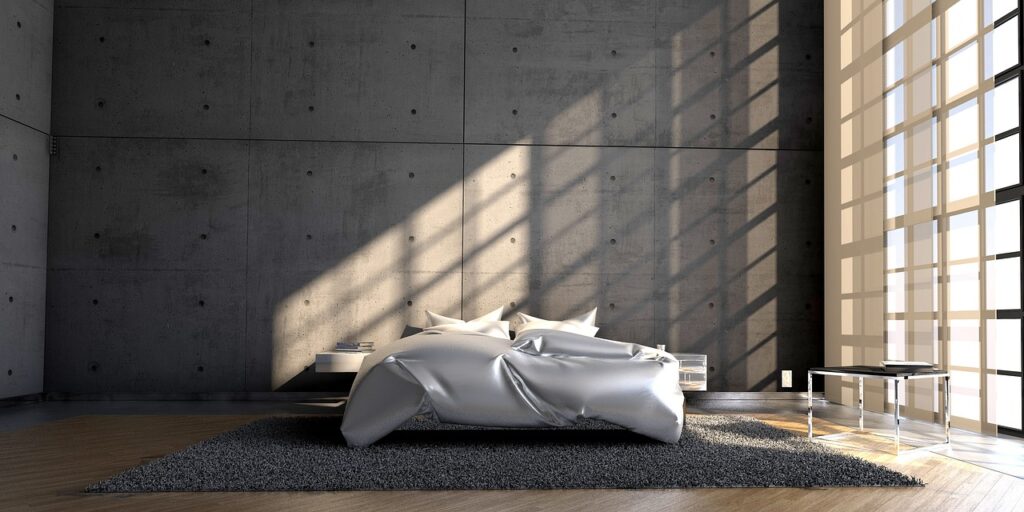
Open floor plans have dominated home design trends for years. From glossy interior design magazines to property renovation shows, the idea of knocking down walls to create one large, flowing space has become synonymous with modern living. An open-concept layout promises brighter rooms, better social interaction, and a sense of spaciousness – even in smaller homes.
But before you reach for the sledgehammer, it’s worth asking: is removing that wall truly the right decision for your home, lifestyle, and budget?
While open floor plans offer many benefits, they also come with practical challenges. In this detailed guide, we’ll explore the advantages, drawbacks, structural considerations, and key factors to help you decide whether opening up your space is a smart renovation choice.
Why Open Floor Plans Became So Popular
The shift toward open-concept living gained momentum in the late 20th century. Older homes were traditionally built with clearly defined rooms – separate kitchen, dining room, and living room areas. Over time, homeowners began craving more light, flexibility, and sociable layouts.
Open floor plans remove physical barriers between common areas, typically combining the kitchen, dining, and living spaces into one unified environment.
This design trend aligns with modern lifestyles where families cook, entertain, work, and relax in shared spaces rather than isolated rooms.
The Benefits of Knocking Down a Wall
1. Increased Natural Light
One of the biggest advantages of removing a wall is improved light flow. Interior walls can block sunlight from windows, making adjacent rooms feel darker and smaller.
Opening up the space allows natural light to travel more freely throughout the home, creating a brighter and more welcoming environment.
2. Enhanced Social Interaction
Open-concept layouts encourage interaction. If you enjoy hosting gatherings or spending time with family while cooking, an open plan makes it easier to stay connected.
Parents can supervise children more easily while preparing meals, and guests can mingle without feeling separated by walls.
3. A Greater Sense of Space
Even if the square footage remains the same, removing a wall can dramatically increase the perception of space.
Open layouts reduce visual barriers, making rooms feel larger and less confined. This is especially beneficial in smaller homes or apartments.
4. Flexible Furniture Arrangements
With fewer walls, you have more freedom to arrange furniture creatively. Multi-functional spaces become easier to design.
For example, a kitchen island can serve as both a dining area and a workspace. A large sectional sofa can help define the living area without the need for structural separation.
The Drawbacks of Open Floor Plans
While open layouts are attractive, they are not perfect for every home.
1. Loss of Privacy
Removing walls eliminates physical separation. Noise, cooking smells, and activity can spread throughout the entire space.
If multiple family members work from home or require quiet areas for study, open layouts may create distractions.
2. Reduced Storage and Wall Space
Walls serve practical purposes beyond dividing rooms. They provide space for cabinets, shelving, artwork, and electrical outlets.
Knocking down a wall may reduce available storage options, requiring alternative solutions such as built-in units or creative cabinetry.
3. Heating and Cooling Challenges
Large open spaces can be more difficult and costly to heat or cool efficiently. Without walls to contain airflow, temperature regulation may become uneven.
You may need to upgrade insulation, HVAC systems, or zoning controls to maintain comfort.
4. Structural and Financial Considerations
Not all walls can be removed safely. Some walls are load-bearing, meaning they support the structure of the home.
Removing a load-bearing wall requires professional assessment and installation of support beams. This can significantly increase renovation costs.
Additionally, electrical wiring, plumbing, and ductwork may run through the wall you plan to remove, adding complexity and expense.
Is the Wall Load-Bearing?
Before making any decisions, it is crucial to determine whether the wall is structural.
Load-bearing walls support the weight of the floors or roof above. Removing one without proper reinforcement can compromise the structural integrity of your home.
A structural engineer or experienced contractor can assess the wall and advise on safe removal options.
If the wall is load-bearing, you may still be able to create an open plan, but it will require installing a properly sized beam to redistribute the load.
Design Alternatives to Full Removal
If you’re unsure about completely removing a wall, consider partial alternatives.
Half walls or pony walls provide separation while maintaining openness.
Large archways can create visual flow without fully eliminating structural definition.
Glass partitions or sliding doors offer flexibility. You can maintain openness most of the time while retaining the option for privacy when needed.
These alternatives provide a balanced approach between traditional and open layouts.
Lifestyle Considerations
Before committing to demolition, evaluate how you use your space.
Do you frequently host gatherings and prefer a communal environment?
Do you value quiet, enclosed rooms for reading or working?
Is your kitchen typically tidy, or would an open layout constantly expose clutter?
Your daily habits and long-term needs should guide the decision more than design trends.
Impact on Property Value
Open floor plans are highly desirable in many real estate markets. Buyers often favor bright, airy spaces.
However, over-customizing or removing too many walls can backfire if it eliminates essential functional areas.
Consulting a local property expert can help you understand how an open-concept renovation might affect resale value in your area.
Budget Planning
The cost of knocking down a wall varies depending on:
Structural complexity
Electrical and plumbing adjustments
Even removing a non-load-bearing wall requires patching flooring, repainting, and possibly adjusting trim.
Plan a realistic budget that accounts for hidden costs and unexpected issues.
Creating Definition Without Walls
If you choose to open up your space, thoughtful design can maintain structure and purpose within the room.
Use area rugs to visually define different zones.
Install pendant lighting above the kitchen island to separate it from the living area.
Position furniture strategically to create natural boundaries.
Different paint colors or ceiling treatments can also help distinguish areas while keeping the overall space open.
Final Thoughts
Open-concept living can transform your home into a bright, modern, and inviting space. Removing a wall often enhances natural light, improves social interaction, and increases the sense of openness.
However, it is not a one-size-fits-all solution. Privacy concerns, structural requirements, heating efficiency, and lifestyle preferences must all be considered.
Before making a final decision, consult professionals, evaluate your long-term needs, and explore alternative designs if necessary.
Knocking down a wall can be a powerful renovation move – but only when it aligns with both your practical needs and your vision for your home.
The key is thoughtful planning. When done correctly, opening up your floor plan can create a beautiful balance between functionality, comfort, and modern style.